Summary – Travel Insurance For a Namibia Self-drive Camping Safari
Yes, you really should have travel insurance for a Namibia self-drive camping safari. Local tour companies, safari operators, and travel guides widely recommend it. They often require proof of insurance for booking tours and safaris. Travel insurance matters because medical care, emergency evacuation, cancellation costs, and unexpected events do happen on long trips, especially in remote regions.
Having travel insurance gives you cover for medical emergencies, trip delays or cancellation, and sometimes luggage loss or unexpected events. Many providers offer plans that include different levels of coverage, so you can match your trip style — whether you’re camping in the desert or staying in lodges.
Some companies that offer guided tours or safaris actually require you to have insurance before you book. That’s a strong signal that it’s not just a suggestion — it’s part of being prepared for travel in a place with wide distances and limited services in rural parts. Travel Insurance For a Namibia Self-drive Camping Safari
Here’s what travel insurance should help you with on a self-drive camping trip, and why it’s more than paperwork before you leave home.
For a full step-by-step guide, see our complete Namibia Camping Safari Guide
What the Guides Say
Medical and Evacuation Coverage
- Medical insurance is strongly advised for Namibia travel. You may need treatment far from major clinics or hospitals, especially if you’re camping or off the beaten path. Travel insurance helps cover costs of serious illness or injury.
- Evacuation coverage is part of many good travel policies, and it matters here. If someone needs urgent transfer to a hospital or home, that can be very costly without insurance. A policy that covers medical evacuation is a real safety net.
Trip Cancellation and Delay Protection
- Travel insurance usually covers trip cancellation or interruption. If you get sick before you leave, or something unexpected happens, you can be reimbursed for non-refundable bookings or changes in travel plans.
- Delays and travel hiccups — like flight delays or weather issues — are often included, so you aren’t out of pocket if you have to stay extra nights.
Gear, Luggage and Personal Items
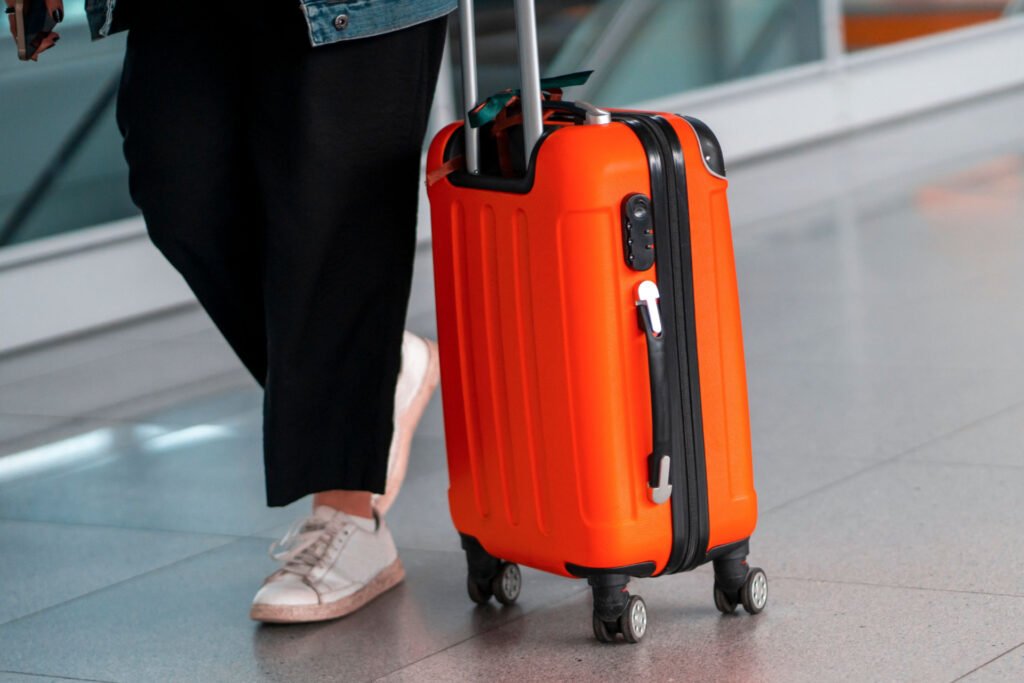
- Good travel insurance policies can cover lost or delayed luggage and personal gear. Safari photographers sometimes carry expensive cameras and lenses, and this coverage can help if bags go missing or get delayed.
- Some policies offer valuable items coverage for things like binoculars or photography equipment. That gives extra peace of mind for specialised trip gear.
Rental Car and Vehicle Concerns
- Travel insurance isn’t the same as car hire insurance, but it pairs with it well. You should also check what your car rental insurance covers. Basic rental policies may leave you responsible for tyre, windscreen, or gravel road damage unless you have extra cover.
- Some credit card insurance doesn’t work well for Namibia car hire because many policies don’t include gravel road use or safari-style driving. Always check with your insurer if your card’s cover is valid in Namibia and for the type of vehicle you’re renting.
Operator Requirements and Safety Advice
- Many tour companies require proof of valid travel insurance before you travel. They want to see your provider name, policy number, and emergency contacts before departure. That’s not just formality — it’s a safety step.
- Some safari operators make insurance mandatory for their clients, especially for multi-day or guided trips. That means you must have it before you can join them.
Remote Areas and Medical Services
- Namibia is remote in many places. Some camps and wilderness areas are hours from major towns. Insurance gives you financial support if medical care is needed far from home.
- Even if the medical facilities in bigger towns are good, getting there from a remote campsite can take time and resources. Travel insurance helps with those logistics.
Policy Details and Exclusions
- Read the fine print. Some policies exclude pre-existing medical conditions if not declared, or they don’t cover certain activities. Always check what’s included so you’re not surprised later.
- Standard travel policies can exclude certain safari activities unless you add adventure coverage. Check with the insurer before purchasing.
Quick Fuel Checklist
- Travel insurance is strongly advised for Namibia self-drive trips. It covers medical emergencies, evacuation, and unexpected costs.
- Many safari operators require proof of insurance before travel.
- Medical and evacuation coverage protects you far from major towns.
- Trip cancellation and trip interruption help with booking losses and delays.
- Luggage and expensive gear coverage helps with lost bags or equipment.
- Car hire insurance and travel insurance should complement each other, especially for gravel road risks.
- Check exclusions so you know what’s covered and what’s not.
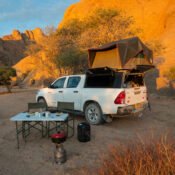
Enjoy the freedom to explore Namibia. We provide travellers with a unforgettable self-drive camping safari across Namibia. Our services include trip planning, campsite booking and 24/7 support. We organise fully equipped 4×4 vehicles, rooftop tents, camping equipment, and practical travel support. Our travellers get clear routes, real driving distances, and realistic time planning. No rush. No pressure. Just solid travel planning.
We focus on budget-friendly self-drive camping safaris that still feel safe and well prepared, supporting eco-friendly travel (sustainable self-drive camping safaris). We share real local advice. If a tyre blows or plans change, we’re there to help.
Our team lives and works in Namibia. We know the gravel roads, fuel stops, weather, and wildlife areas. We build routes that make sense and keep the distances realistic. You travel at your own pace, sleep under the stars, and enjoy the freedom.
Let us arrange your camping safari. Join us for an adventure, turning photos into memories.
For a full step-by-step guide, see our complete Namibia Camping Safari Guide