Namibia Camping Safari Guide

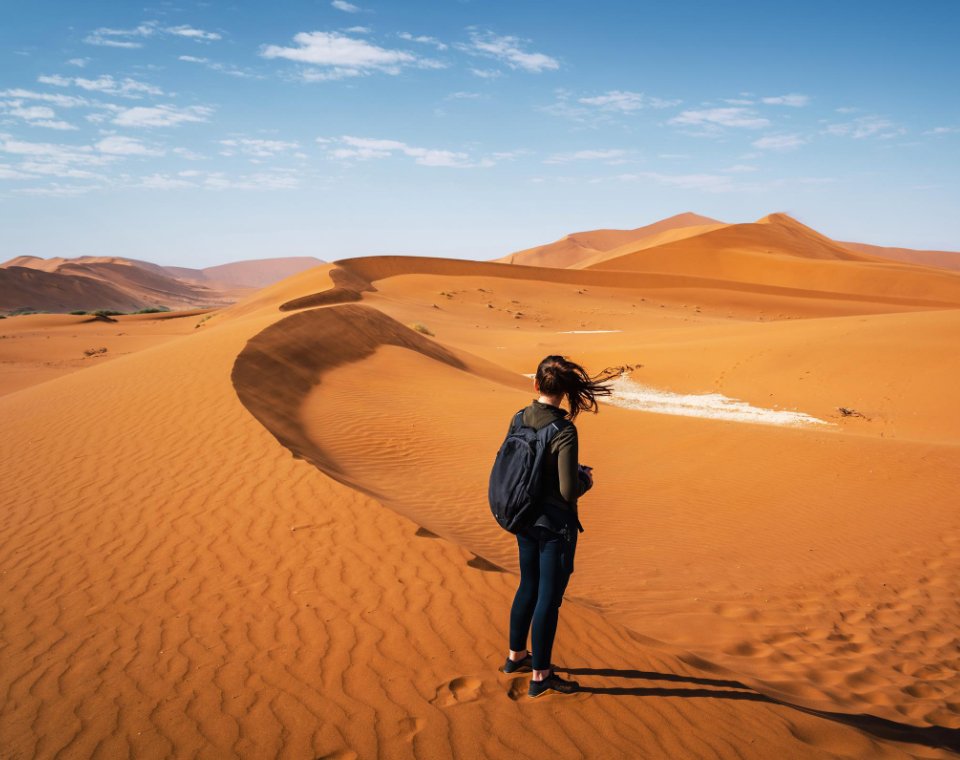
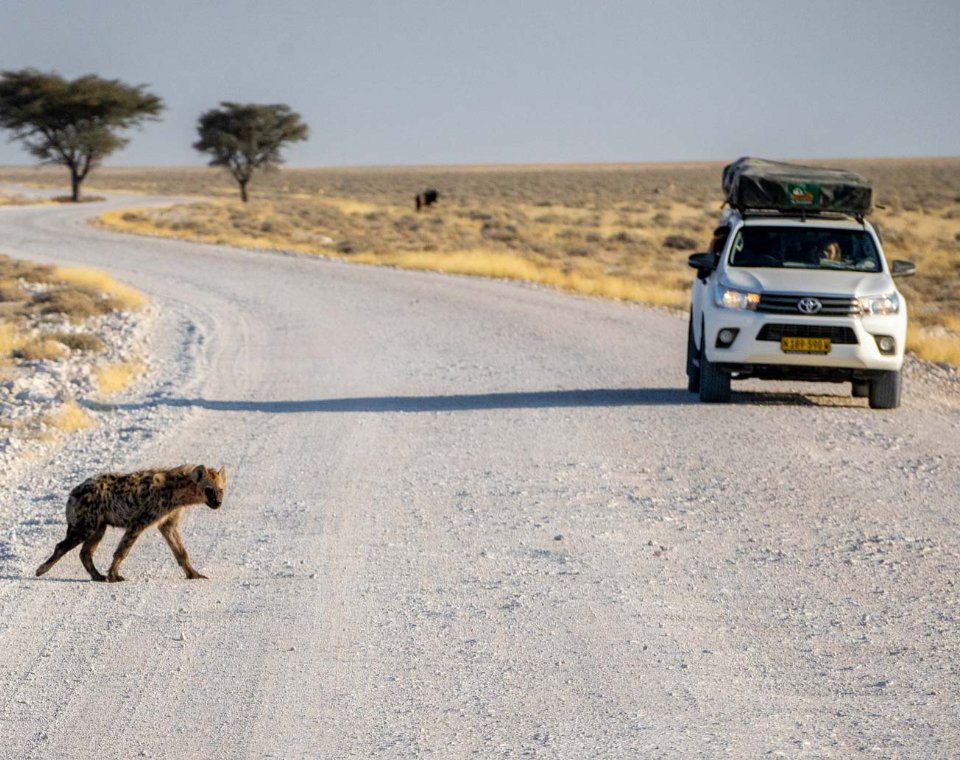
If you plan to camp in Namibia, know this: the country is wide, quiet, and raw. That’s why camping here feels so good. It also means services can be far apart. You must plan fuel, water, and routes. Some parks need permits or entrance fees. Camps range from fenced rest camps with ablutions to wild community sites under camel-thorn trees. Wildlife is real and can come close. At official park camps you must follow rules: stay in cars outside rest areas, don’t feed animals, respect quiet hours, and keep fires where allowed. A good vehicle, spare tyre, basic tools, and offline maps will keep you safer. Pack food and water, and know how to contact help. Take things slow. Respect local rules and the land. Do that and your camping safari will be safer and more enjoyable.

Namibia Self-drive Budget-friendly Camping Safaris

Fact Points - Quick Reference

  • Namibia has many registered campsites and community camps, plus national park rest camps with facilities.

  • Some park zones require permits or entrance fees (Sossusvlei / Namib-Naukluft, Etosha, etc.). Obtain permits at park offices or in advance.

  • Most roads outside main highways are gravel or sand. Drive slower on unsealed roads and lower tyre pressures on soft sand.

  • Avoid night driving; animal and livestock crossings cause many accidents. Plan to arrive at camps before dark.

  • Carry extra water, fuel, a spare wheel, repair kit, first aid, and offline maps. Fill up whenever you can.

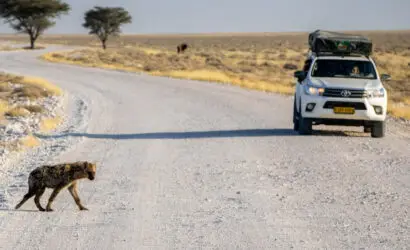
  • At park camps: remain in your vehicle unless in marked rest areas; do not feed or disturb wildlife; follow camp rules.

  • Recent incidents show real risk if rules are ignored; always follow staff guidance and safety briefings.

Types of camping you will find

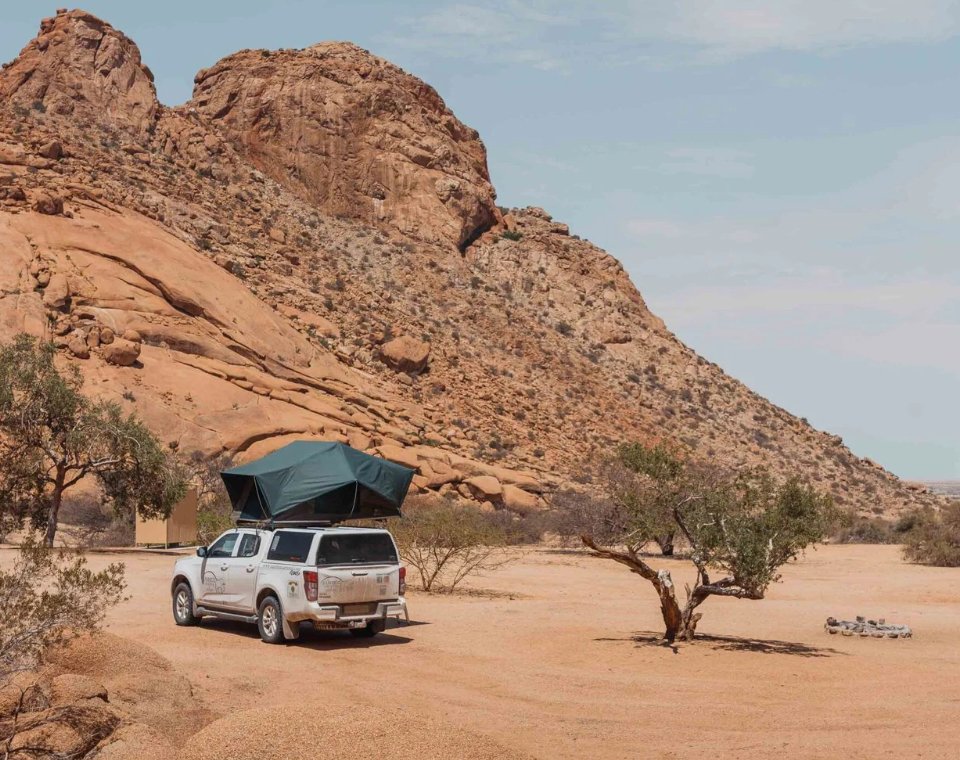
  • Rest camps inside parks. These are managed camps with showers, fenced sites, and rangers. They have rules. They are safer for wildlife encounters because staff know the area. Book them early in high season.

  • Private campsites and lodges. These range from shady lawns with power to simple sites at family-run spots. They often have fuel or shops nearby.

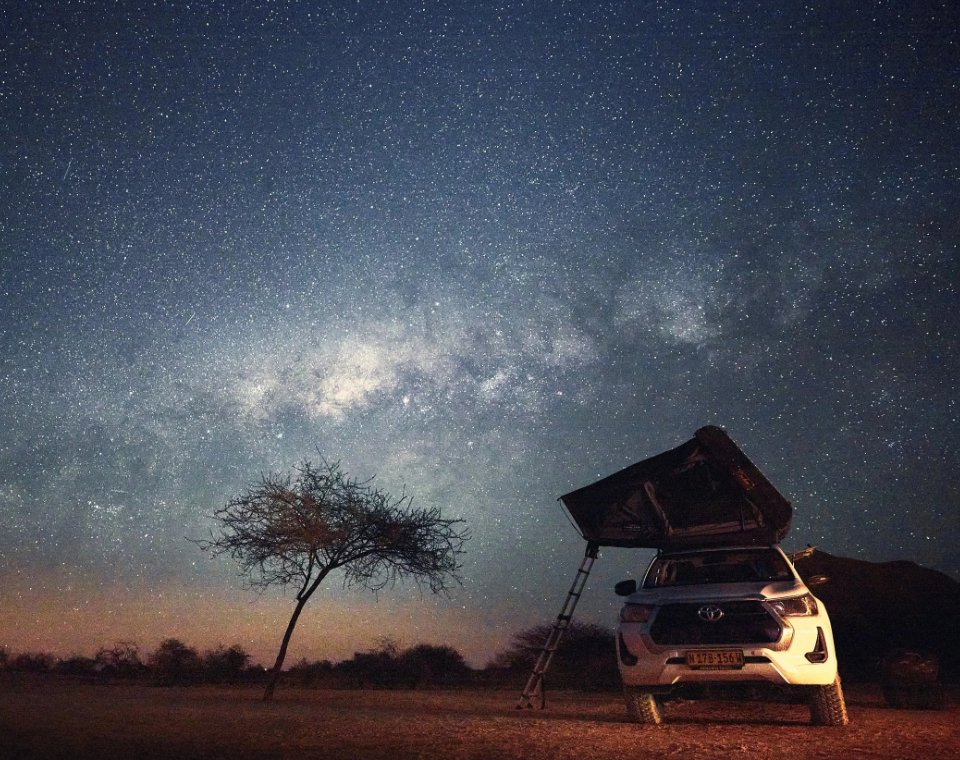
  • Community camps and wilderness sites. Simple and honest. May have basic toilets or none at all. They are closer to local life. They are often cheap and quiet.

  • Wild camping (sleeping near the road). In remote areas people sometimes sleep informally. It’s possible, but you must be sensible. In protected areas, wild camping is sometimes restricted and may need permits.

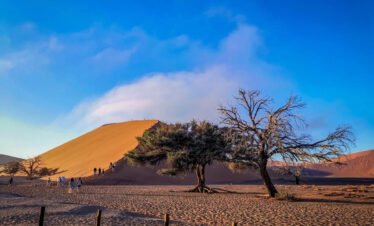
Some parks require permits or entry tickets. Sossusvlei and parts of Namib-Naukluft require a permit or fee at Sesriem gate. Etosha and other national parks have clear rules about staying in vehicles and campsite behaviour. Always get your permit before entering restricted areas or buy at gate offices. Staff may ask to see it at checkpoints.

Park rules are not suggestions. They exist to keep you and the animals safe. In many parks you must stay inside your car except in marked rest zones and campgrounds. Don’t feed animals. Keep noise down at night. Follow gate opening and closing times. Read the rules at each park entrance.

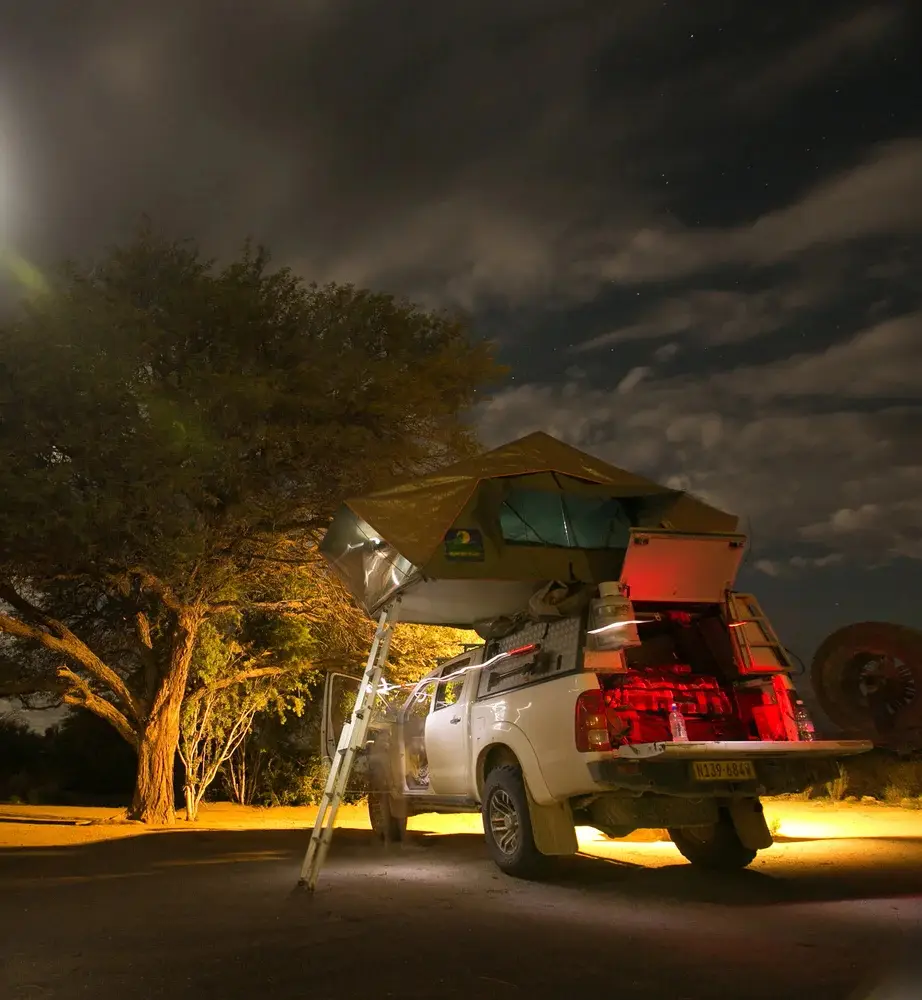
Vehicle and Equipment - What Not to Travel Without

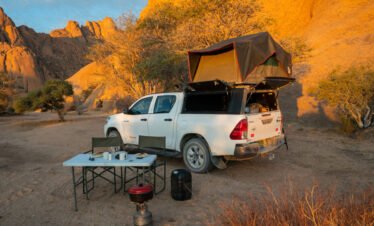
A decent vehicle will change the trip. You don’t need a monster 4×4 for every route. But if you plan dunes, riverbeds, or remote tracks, get a 4×4 with good clearance.

My checklist:

  • Full-size spare wheel plus a repair kit and jack. Flats happen. Some companies allow two spares. Ask.

  • Good, hardy tyres. Gravel and corrugation wear tyres fast. Check them daily.

  • Extra fuel (jerry cans) if you go remote. Fuel stations can be many hours apart. Fill up whenever you can.

  • Plenty of drinking water. I plan at least 4 litres per person per day and more for hot stretches.

  • First aid kit and basic tools. Know how to change a tyre. Know where the spare is.

  • Offline maps or GPS and paper maps. Mobile signal drops outside towns.

  • Torch, extra batteries, and a reliable power source for phones or fridges.

Eco-friendly campsites, reliable 4x4s, 24/7 support

Effortless Adventure and Peace of Mind.