

Spitzkoppe: Camping, Permits & Granite Arch Photography
- Home
- Spitzkoppe: Camping, Permits & Granite Arch Photography
Places & Attractions
The Granite Cathedral: Spitzkoppe’s Matterhorn Peaks
Spitzkoppe is a striking group of granite peaks rising sharply out of the flat Namib Desert. It sits between Usakos and Swakopmund and is often called the “Matterhorn of Namibia.” The granite is ancient — more than 120 million years old — and the tallest outcrop reaches about 1,728 m above sea level, around 670 m above the desert floor. For thousands of years, indigenous Bushmen (San) lived here. Their rock paintings still survive in caves around the peaks. Today Spitzkoppe draws hikers, climbers, bird watchers, campers and photographers. It offers desert adapted wildlife, strange plants that survive in tough conditions, incredible night skies, and a peaceful, raw landscape that feels timeless.
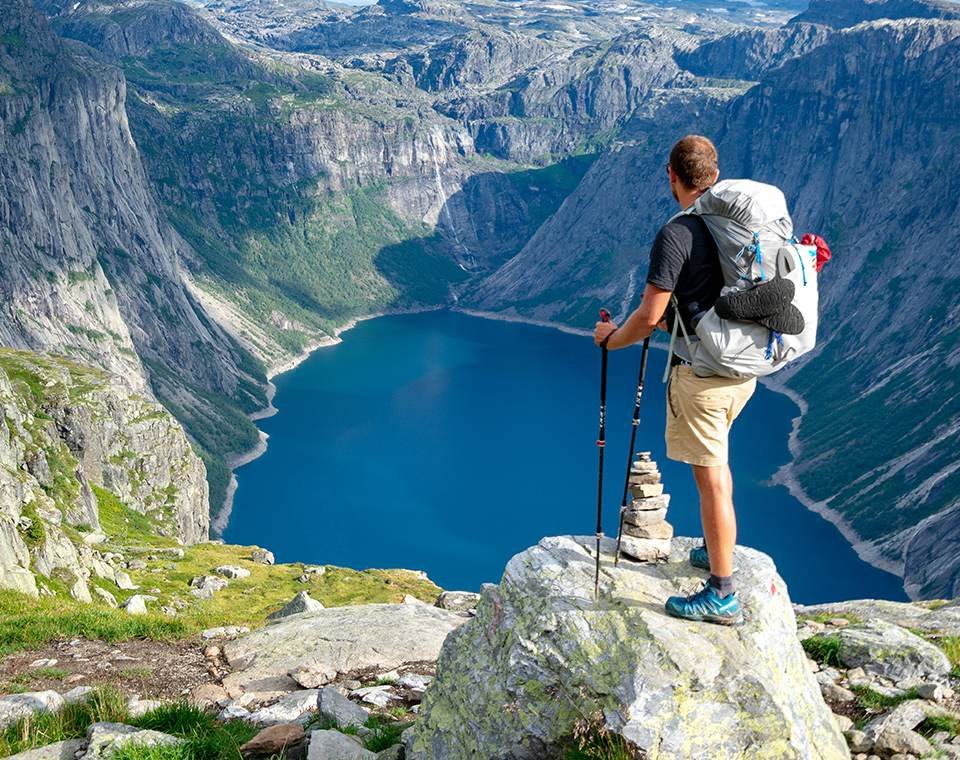

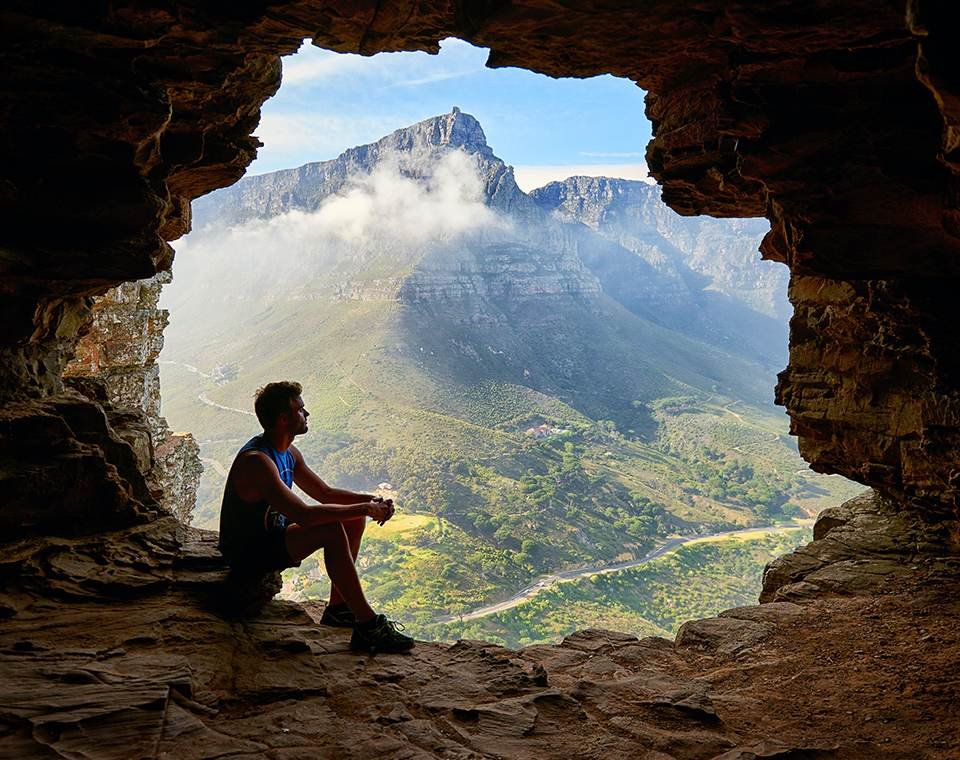
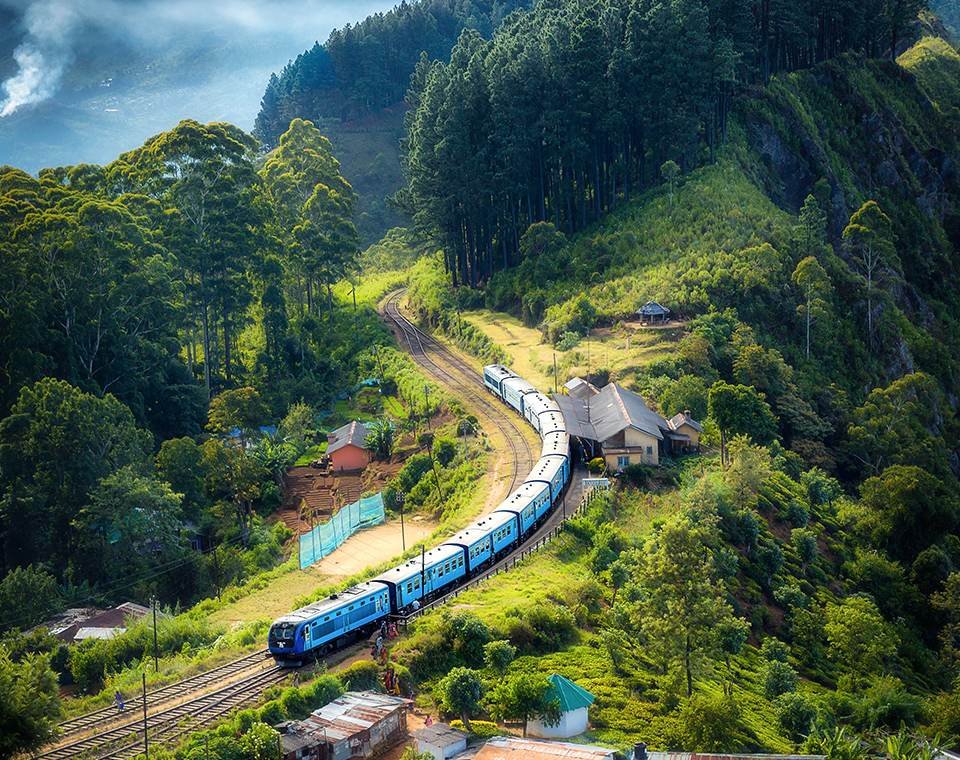

- The granite peaks of Spitzkoppe were formed more than 120 million years ago as part of ancient volcanic activity, later exposed by erosion.
- For thousands of years the area was home to indigenous peoples — the San people (Bushmen). Their presence is recorded via rock‑art paintings on the rocks.
- In 1896 European settlers established a trading post called “Spitzkopje” at the foot of the mountain. It became a large farm with livestock and infrastructure.
- Under the policies of the colonial era — the so‑called “Odendaal Plan” — the farm was expropriated, and local families (mainly from the Damara people) were relocated there in the 1970s. A village with a church and school developed.
- In 2003, the area came under the protection of a community‑managed conservancy, the Gaingu Conservancy, giving local people some control over tourism and conservation.
- Spitzkoppe is in the Namib Desert, between the towns of Usakos and Swakopmund, in the Erongo / Damaraland region of Namibia.
- From Swakopmund it’s roughly 120 km east, and from the capital (since you are in Windhoek) it’s around 250–280 km west by road.
- The area consists of several granite inselbergs (isolated rock hills) — the main large peak and nearby smaller ones (sometimes called Little Spitzkoppe), plus a chain of rock hills known as the Pontok Mountains.
- The best time to visit is during the dry season — roughly from May to October. During this time the weather is cooler and nights are crisp, perfect for camping and stargazing.
- The hotter months (around December to February) tend to bring high daytime temperatures — not ideal for strenuous activities.
- If you visit during the dry season you are more likely to enjoy clear skies, which also makes it excellent for night‑sky viewing and photography.
- See ancient rock art: there are several caves and rock shelters with paintings by the San people, some estimated 2,000–4,000 years old. Famous sites include what’s known as “Bushman’s Paradise.”
- Rock climbing and scrambling: the granite faces are popular among climbers. The main peak was first ascended in 1946, and there are many climbing routes today. It’s serious enough to require caution, gear and planning.
- Hiking and scrambling among boulders: for those not climbing to the summit, there are easier rock‑scramble routes, short walks, and chances to explore natural arches and giant boulders.
- Camping under the stars: there is a community‑run campsite among the granite boulders. Nights are quiet, skies are dark, and stargazing is often spectacular.
- Photography and landscape watching: at sunrise and sunset the light hits the granite just right — warm hues, long shadows, dramatic contrasts. It’s a favourite for landscape photographers.
- Some special plants survive in this arid land: for example Welwitschia mirabilis — a desert survivor — and various succulents that cling to life on and around the rocks.
- Reptiles are common: around 69 species of reptiles live in the area, including many geckos and lizards — some are endemic to Namibia.
- Bird life is diverse. You might spot raptors like eagles or falcons soaring over the peaks. Also smaller desert and savanna birds such as parrots, hornbills, chats and larks.
- Small mammals like the rock hyrax (sometimes called “dassie”) are often seen among the boulders.
- Occasionally, more elusive animals — maybe steenbok, oryx, or other desert‑adapted fauna — might be encountered if you’re lucky and quiet.
Eco-friendly campsites, reliable 4x4s, 24/7 support
Budget-friendly Self-drive Camping Tours
