
Namib-Naukluft National Park: Travel Guide & Desert Tours
- Home
- Namib-Naukluft National Park: Travel Guide & Desert Tours
Places & Attractions
Namib-Naukluft National Park: Exploring Namibia’s Vast Heart
Namib-Naukluft National Park is one of the largest protected areas in Namibia. It covers desert landscapes, sand dunes, rocky highlands, and plains. You’ll find grand dunes, dry riverbeds, rugged mountains and open skies. The park shows how varied desert nature can be. If you visit when weather is right, you get good temperatures, clear light for landscapes, and maybe glimpses of desert-adapted life. It’s a place where you can feel quiet, wide open, and connected to wild land.
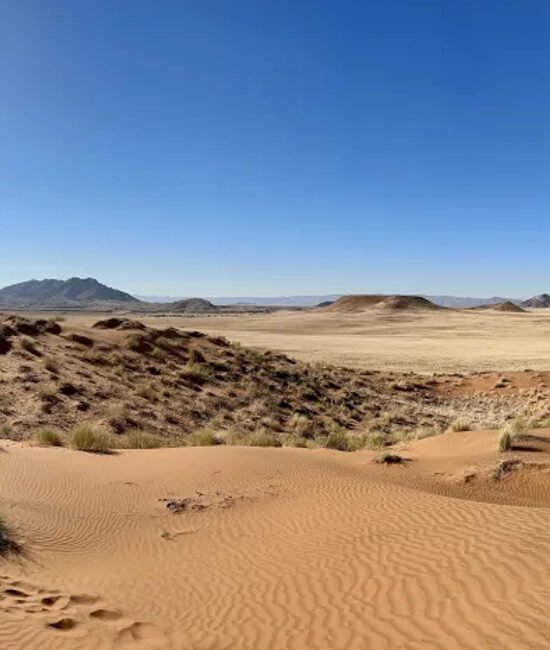
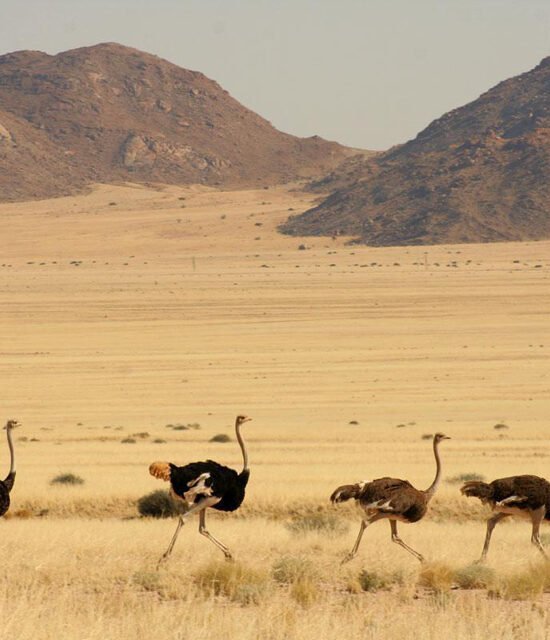
- The area of Namib-Naukluft was proclaimed a protected reserve many decades ago, to conserve both the Namib Desert and the Naukluft Mountains — giving the landscape legal protection under conservation laws.
- The geology in the park is very old: rock formations and ancient sediments have been shaped over millions of years by wind, water, and tectonic forces. The park preserves these natural features.
- Over time, as tourism developed, parts of the park — including famous areas near dunes and pans — became accessible to visitors under regulated management. This helped protect fragile desert ecosystems while letting travellers see them.
- The protected status helps safeguard native flora and fauna, some of which have adapted over long periods to desert conditions. The park acts as a refuge for these species.
- The park lies along Namibia’s Atlantic-coast desert belt and stretches inland across parts of the Namib Desert and into the Naukluft Mountains.
- It covers a vast area — making it one of the largest conservation zones in the country.
- Within the park are important sub-areas: sand-dune fields and pans (desert plains), rocky highland zones (mountains), and dry basins or riverbeds.
- Its varied terrain — dunes, gravel plains, mountains, dry riverbeds — means that a trip here offers different kinds of desert landscapes in one national park.
- The drier winter months (roughly May through September) tend to bring milder temperatures. Days are usually pleasant, and nights cooler. That makes walking or exploring more comfortable.
- Rainfall is rare here. When rains come — generally in summer months — the desert may show green patches or temporary water in certain basins. That can bring a different desert mood.
- Early morning or late afternoon are usually best for visiting dunes or walking in plains. Light is softer then. Heat is less. That helps with comfort and photography.
- If you plan mountain or rocky-terrain walks, check local conditions. Seasonal weather can influence safety (especially if occasional rains).
- Walk among sand dunes and desert plains. The dunes and pans offer classic desert vistas that show contrast between sand, sky, and nothing around. Good for quiet reflection or photography.
- Hike or explore the rocky parts — the mountain zones or ridges give different terrain. Harder paths, rock formations, wide views. Great for people who like more than just flat desert.
- Enjoy sunrise or sunset over dunes or open desert. Light and shadow can change the look of the land dramatically. It feels peaceful and real.
- If conditions allow, walk dry riverbeds or basins. In rare seasons there might be slight water or different colours. Gives sense of desert resilience and change.
- Stargazing night: away from city lights, desert skies are wide and dark. Stars seem nearer. It’s a calm close to the land.
- There are plants that adapt to extreme dryness. Succulents, shrubs, hardy grasses might grow in places where there is enough soil or occasional moisture.
- In rocky or mountainous zones, some specialised plant life survives on minimal water and rocky soil. That shows how life endures even in harsh conditions.
- Animal life is adapted to desert: small mammals, reptiles, insects. They know how to live with little water. They may move mostly at cooler times.
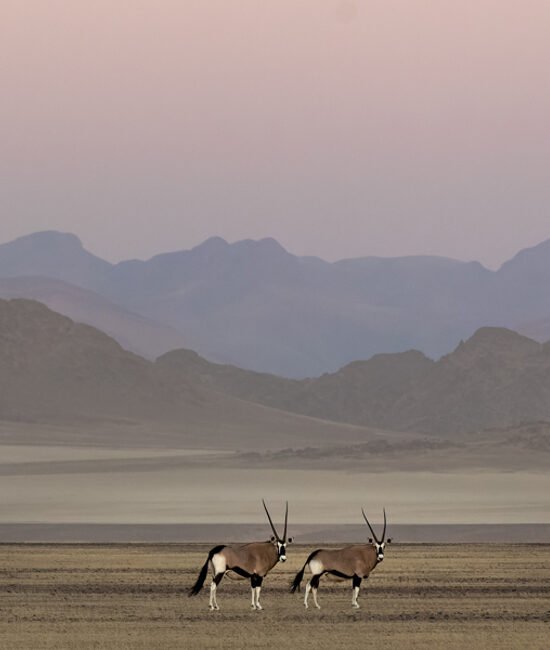
- Some larger animals — desert-adapted herbivores or antelope species — may roam plains or mountain edges, where they find sparse vegetation or water.
- Birdlife may include species adapted to arid zones. They can be more visible in mornings or around any seasonal water or shade.
Eco-friendly campsites, reliable 4x4s, 24/7 support
Budget-friendly Self-drive Camping Tours