

Lüderitz Namibia: Coastal History, Tours & Things To Do
- Home
- Lüderitz Namibia: Coastal History, Tours & Things To Do
Coastal Isolation: The Bavarian Port of Lüderitz
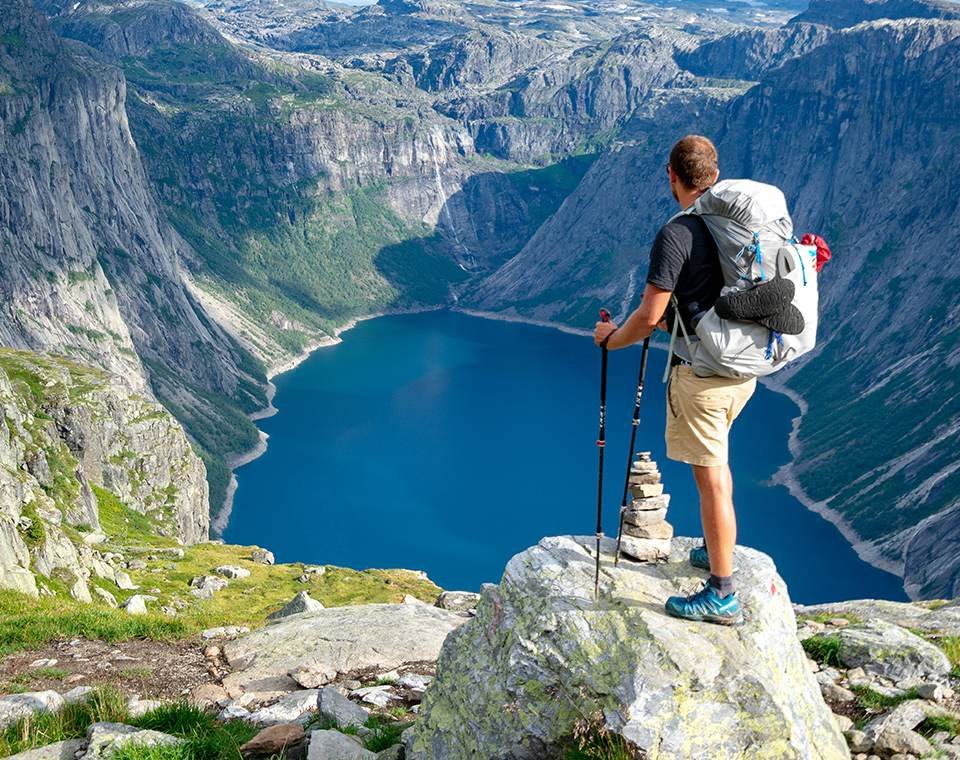
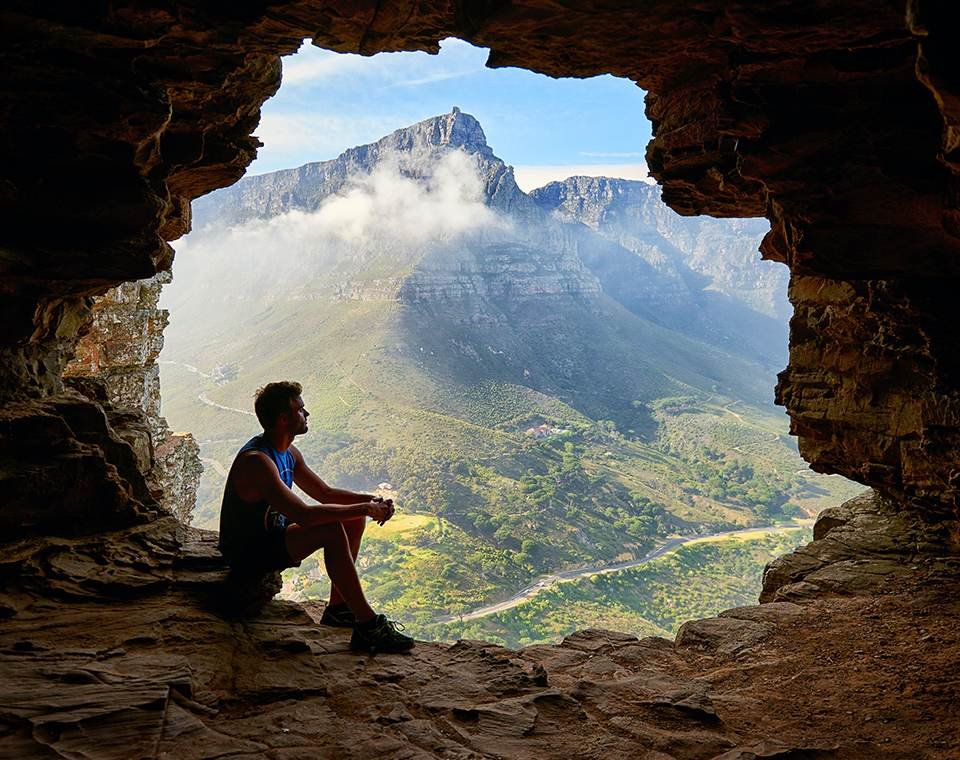

Lüderitz was founded by German colonists around 1883 when a German merchant bought the bay and named the settlement after himself.
The town grew as a harbour settlement — ships came in from Europe and elsewhere, trying to trade and access the coast. That made Lüderitz one of the earliest European-style towns along that stretch of Namibian coast under colonial administration.
Later during the early diamond-rush years in the coast/southern desert region, nearby mineral and diamond discoveries gave the region more attention and economic activity. That influenced people’s movement and settlement around Lüderitz.
Over decades political changes and shifting economies led to changes. Some of the old colonial buildings remain — giving the town a historic feel. That architecture stands as a record of past eras of trade, colonization, and coastal-desert settlement.
Today Lüderitz remains somewhat isolated. That isolation helped keep its historic core intact. Visitors can see a blend: old buildings, harbour remains, coastal-desert backdrop. It preserves a slice of Namibian coastal history more than many newer towns.
Lüderitz lies on the Atlantic coast, in southern Namibia.
It sits where the desert (the edge of the Namib) meets the sea — a coastal desert strip. That gives it unique landscapes: ocean, rocky coast, desert plains close by.
The town’s harbour is small but historically important: it gave access to sea trade for settlers and traders when land routes were difficult.
Around Lüderitz, you often find desert stretches, rocky shoreline, and sometimes dunes near the coast — a reminder that coast and desert can meet in Namibia’s south.
Visiting during the cooler months tends to be more comfortable. The Atlantic coast is less hot than inland desert, but coastal wind and desert sun can make summer tough.
Early morning or late afternoon are best for walking around town or coastal areas. Light is soft. Wind is lighter. That helps you enjoy scenery and history without harsh conditions.
If you want calm sea and gentle weather, avoid strong wind seasons. Wind may pick up on some days near the coast — that affects sea spray, dust, temperature, and comfort.
For a mix of desert and ocean, a dry season visit gives clearer skies, more stable weather, and better visibility of coast and horizon.
Walk through town, look at old colonial-era buildings, and explore harbour areas. The architecture and layout tell a story of coastal settlement under colonial rule.
Go down to the coast: walk along the shore, see where ocean meets desert. The contrast of sea spray, rocks, and arid land feels unique.
See old harbour installations, maybe remnants from earlier fishing or shipping days. That gives sense of how people tried to make a life by sea in a remote place.
Take coastal drives or short excursions out of town into nearby desert coast — you get desert landscapes plus ocean views. That mix is rare.
Watch seabirds, ocean life, maybe seals or marine birds (depending on season). Coastal desert towns often have marine fauna nearshore if you keep eyes open.
Coastal zones around Lüderitz may support marine birds — gulls, terns, possibly other sea-bird species that use rocky shores or ocean for feeding.
In the desert-coast transition you might see hardy desert flora: shrubs, bushes or succulents that tolerate salty air, sandy soil and arid conditions.
Inland a bit from town, desert-adapted creatures may live: small mammals, reptiles, insects — creatures used to coastal-desert climate.
Marine life near coast can include fish, crustaceans or sea mammals — though what you see depends on season and sea conditions.
Plant life is sparse near coast, but some salt-tolerant species, coastal scrub or dune vegetation might still grow — showing how life holds on near sea and desert.
Eco-friendly campsites, reliable 4x4s, 24/7 support
Budget-friendly Self-drive Camping Tours
