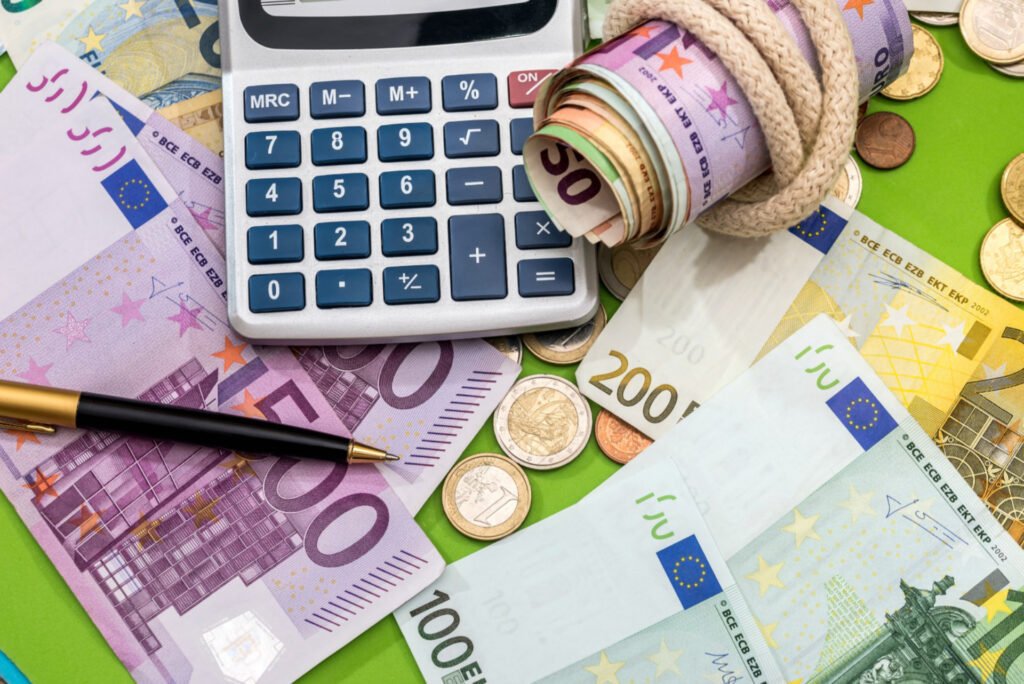
Summary – What Budget Travel in Namibia Looks Like
How to travel Namibia on a budget is about choices. You choose when to go, where to sleep, how to eat, and how to get around. If you’re flexible, patient, and willing to trade some luxury for experience, you can stretch your budget a long way.
Peak season (June–October) means higher prices for accommodation, tours and car hire. Many travel guides suggest visiting during shoulder or off-peak months like April–June or November–December to save money on stays and experiences.
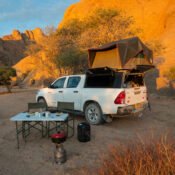
Self-drive travel is a key part of budget planning for many. Renting a 4×4 or a cheaper 2WD, planning your route ahead, and camping or staying in basic guesthouses keeps costs down. Renting a car and driving yourself can be cheaper than booking daily tours.
Budget stays like campsites, hostels, and guesthouses are widely available and much cheaper than high-end lodges. Many campsites in parks like Etosha and near Sossusvlei are well serviced for an affordable price.
Food choices matter too. Cooking your own meals or eating local food instead of expensive restaurants can save a lot. And park passes or multi-day tickets can reduce daily entrance costs if you’re visiting multiple parks.
With some smart decisions, Namibia can be affordable without missing what matters — the land, the wildlife, the people, and the open roads.
For a full step-by-step guide, see our complete Namibia Camping Safari Guide
Real Budget Travel Tips
Plan When You Go
- Travel in shoulder or off-peak seasons like April–June and November–December to get lower rates on accommodation and tours. Shoulder months have fewer crowds and cheaper prices.
- Peak season still brings great weather, but prices rise and options fill up fast. Planning ahead and booking early helps save money.
Choose How You Get Around
- Self-drive safaris are cheaper than guided tours and give you more flexibility to choose budget stays and stops. Namibia’s roads are good, and the open road is part of the experience.
- A 2WD car is often cheaper to rent than a 4×4 if your planned roads don’t require off-road capability. Carpool with other travelers to share costs.
- Public transport like minibus taxis (kombis) and long-distance buses help save on transport costs, though they’re less flexible and slower than driving yourself.
Sleep Smart and Save
- Campsites are one of the biggest budget savers. Many national parks and key destinations have campsites where you pay a small nightly fee compared with lodges.
- Guesthouses, hostels, and backpacker lodges in towns like Windhoek, Swakopmund, and smaller hubs cost much less than upscale lodges. Dorms and basic private rooms can be very budget-friendly.
- Mix nights in budget stays with a few special nights if you want variety but don’t want to pay top prices every night.
Food and Drink Savings
- Self-catering — buy groceries from supermarkets and cook your own meals at camps or shared kitchen spaces. Namibia’s markets have local produce that’s easy on the wallet.
- Eat at local restaurants and food stalls for cheap and tasty meals. Street food like grilled meat or local snacks costs far less than sit-down tourist restaurants.
- Buy water and basic drinks from supermarkets rather than bars or lodges where prices are much higher.
Park Fees and Passes
- National park passes that cover multiple days or parks can save money. Some parks offer annual passes with unlimited entry. These are good if you’re visiting Etosha, Namib-Naukluft or other parks multiple times.
- Self-drive through parks rather than booking guided game drives if you’re comfortable driving and spotting wildlife yourself — it reduces daily costs.
Group Travel and Sharing Costs
- Traveling with friends or finding other budget travelers to share a rental car cuts your biggest cost — transport — in half or more.
- Shared tours or camping tours sometimes include meals, fuel and guides, which can be cheaper than doing everything alone.
Plan and Book Smart
- Compare prices on accommodations, car rentals, park fees, and food ahead of time using travel apps and booking sites. Early booking often means lower rates.
- Use offline maps and route planners to avoid long, costly detours that waste fuel and time.
Free and Low-Cost Sightseeing
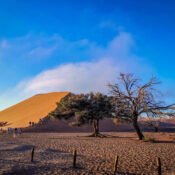
- Many scenic areas and landscapes are free or have very low entry fees. Early morning walks, dune hikes and sunset viewpoints cost little. Spots like beaches, dunes and natural formations are often open to the public.
Quick Budget Checklist
- Visit in shoulder/off-peak months to cut accommodation and tour costs.
- Self-drive and camp rather than booking expensive tours and lodges.
- Choose hostels or guesthouses when you’re not camping.
- Cook your own meals or eat local.
- Use park passes to save on entry fees.
- Share costs with others for cars and lodging.
- Book ahead and compare prices often to get better deals.
Enjoy the freedom to explore Namibia. We provide travellers with a unforgettable self-drive camping safari across Namibia. Our services include trip planning, campsite booking and 24/7 support. We organise fully equipped 4×4 vehicles, rooftop tents, camping equipment, and practical travel support. Our travellers get clear routes, real driving distances, and realistic time planning. No rush. No pressure. Just solid travel planning.
We focus on budget-friendly self-drive camping safaris that still feel safe and well prepared, supporting eco-friendly travel (sustainable self-drive camping safaris). We share real local advice. If a tyre blows or plans change, we’re there to help.
Our team lives and works in Namibia. We know the gravel roads, fuel stops, weather, and wildlife areas. We build routes that make sense and keep the distances realistic. You travel at your own pace, sleep under the stars, and enjoy the freedom.
Let us arrange your camping safari. Join us for an adventure, turning photos into memories.
For a full step-by-step guide, see our complete Namibia Camping Safari Guide