
Fish River Canyon: Hiking, Tours, Trails & Viewing Points
- Home
- Fish River Canyon: Hiking, Tours, Trails & Viewing Points
Places & Attractions
Fish River Canyon: Africa’s Grand Geological Masterpiece
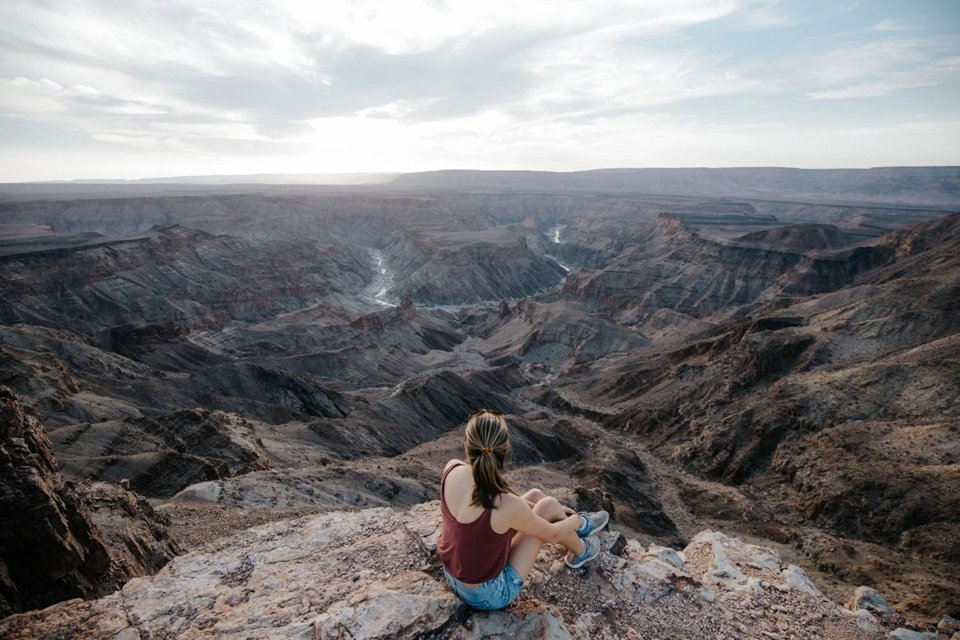
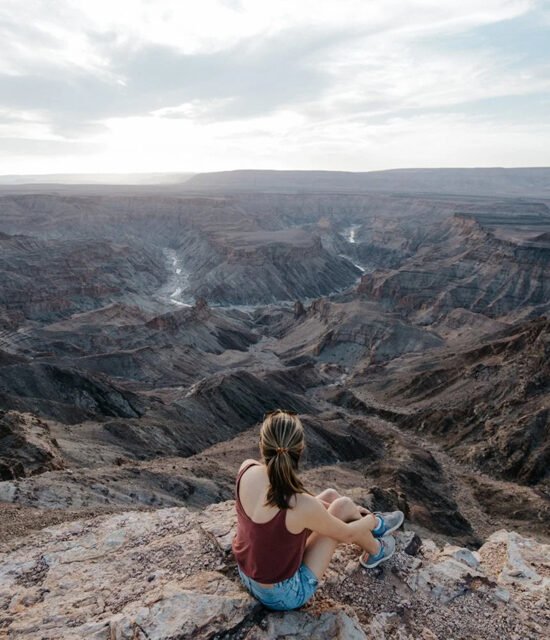
Fish River Canyon is a huge, ancient gorge carved by time and water, deep in southern Namibia. It stretches over many kilometres, with cliffs that drop hundreds of metres. The place feels raw and wild. If you visit at the right time — when temperatures are gentler — you’ll see dramatic views, maybe some wildlife, and a landscape that feels both harsh and alive. For someone coming from Windhoek or elsewhere, it’s a journey worth doing if you want to see a side of Namibia that feels distant and real.
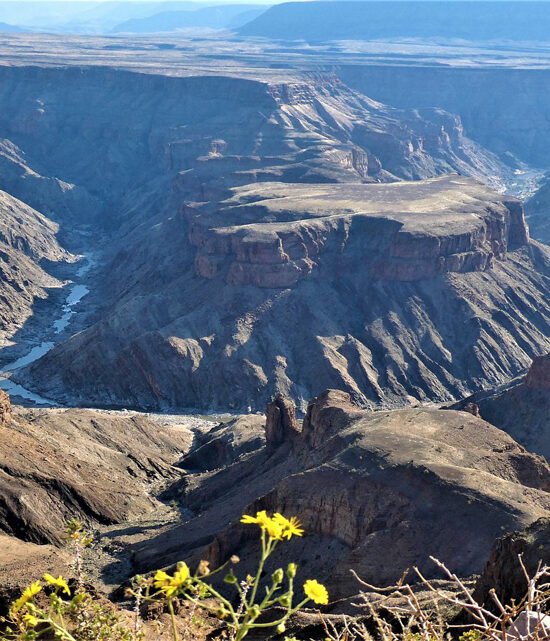
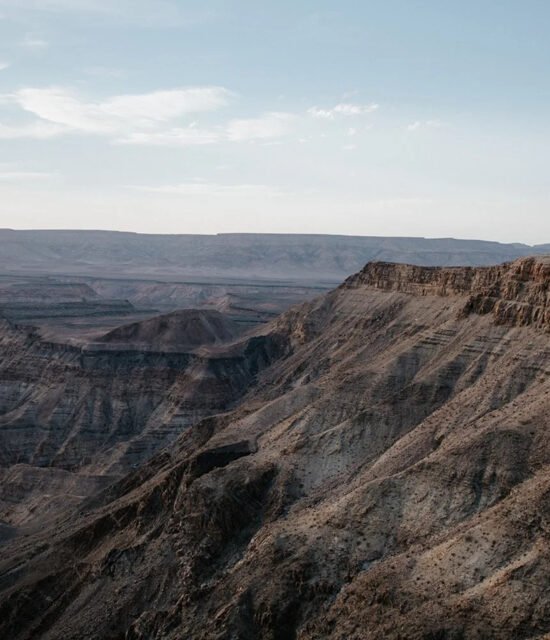
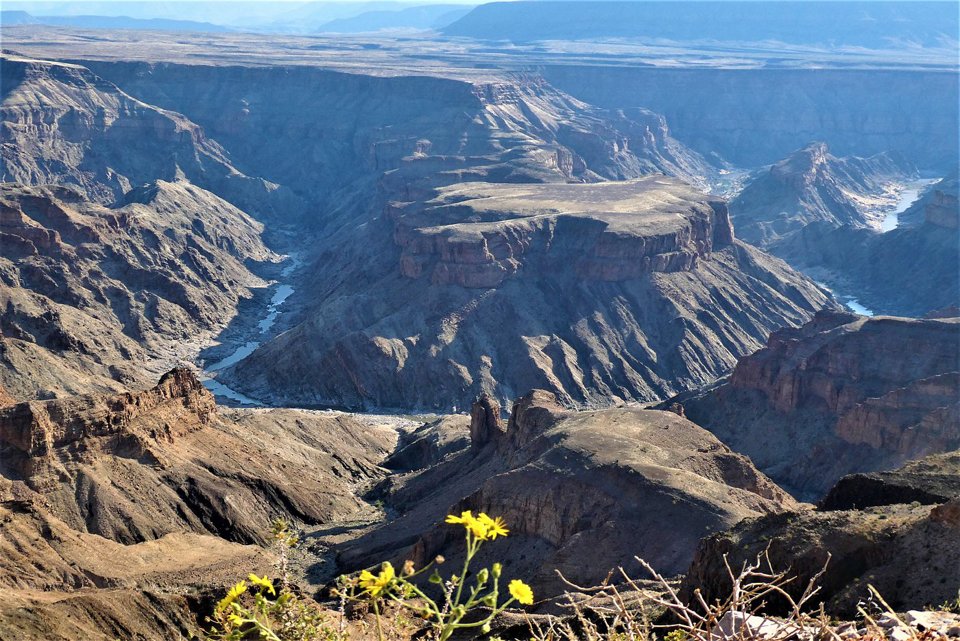
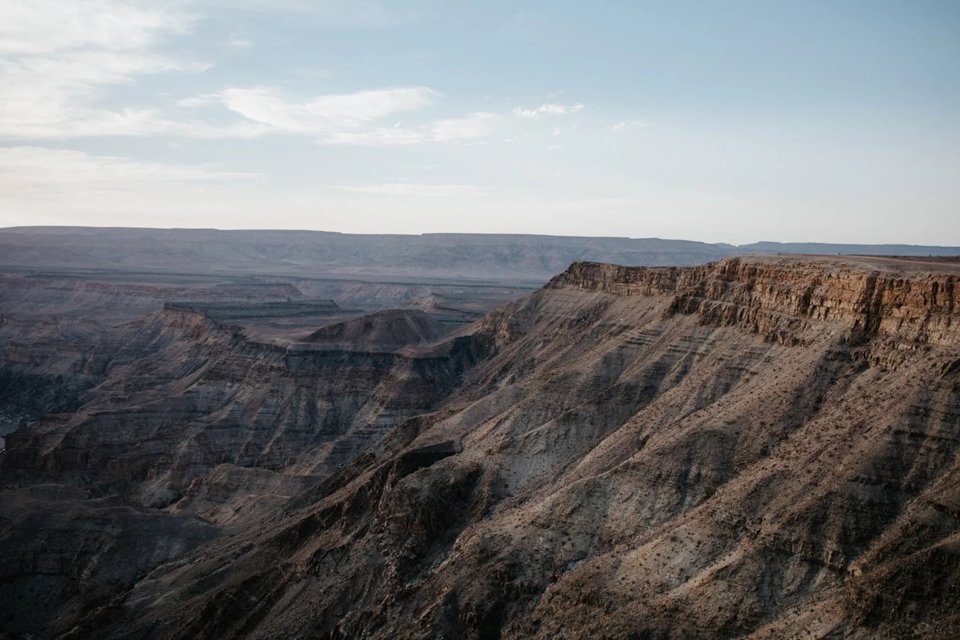
- The canyon formed over millions of years. The river that carved it (Fish River) cut through ancient rocks and sediments, shaping a gorge up to 550 metres deep.
- Geological activity played a part too: part of the canyon’s shape comes from a collapse of the valley floor long ago, combined with erosion over time.
- The canyon runs for about 160 kilometres. Its width can reach up to 27 kilometres.
- The river flows intermittently. Most of the year it is dry or reduced to pools. During rainy seasons the river may swell.
- The region has long been part of human history — traces of past inhabitants and perhaps indigenous people living in or near the area have been linked to the canyon’s surroundings.
- Fish River Canyon lies in the south of Namibia. The canyon is part of the ǀAi-ǀAis/Richtersveld Transfrontier Park — a cross-border conservation area between Namibia and South Africa.
- The canyon begins near a settlement called Seeheim, and extends all the way down to Ai-Ais at its southern end.
- The main gateway for visitors is at Hobas Campsite (or Hobas Restcamp), from where you head to the main viewpoint.
- The canyon cuts through a mix of rock types: older metamorphic rocks (gneiss) and sedimentary layers. That mix makes the canyon walls show the Earth’s history.
- The best time to visit (especially if you want to hike) is between May and September. That’s when temperatures are milder and the risk from heat is lower.
- Hiking is not allowed from October to April — that’s too hot, and conditions can be dangerous.
- For rim-based stays or scenic viewing (not full hikes), May through early August offers clear skies and good light — ideal for photos and quiet appreciation)
- Nights can get much colder than days in dry season. Daytime may be warm, but evenings chill. Pack accordingly.
- Go to the main viewpoints (for example from Hobas) and take in the vast canyon views. The drop, the depth — it hits hard when you see it.
- Do the multiday hike (the Fish River Hiking Trail), which runs roughly 85 km from Hobas down to Ai-Ais. It’s challenging but rewarding.
- If you don’t hike, you can do shorter walks along the rim or guided tours to get glimpses of canyon, geology, and landscape.
- After a tough hike, relax in the hot springs at Ai-Ais — a soothing contrast to dusty trails and dry rock.
- Spend time watching light and shadow on canyon walls — mornings and evenings bring dramatic colour and depth. Great for photos or just quiet reflection.
- The canyon region supports desert-adapted plants. Among them: the famous Aloe dichotoma (quiver tree), and other succulents and hardy shrubs that survive in harsh dry conditions.
- Some of these quiver-trees are very old — they can reach ages of around 300 years.
- Animal life includes mammals such as Hartmann’s Mountain Zebra, kudu, springbok, klipspringer, baboons, and sometimes even larger predators like leopards.
- Smaller creatures also live here: rock hyraxes, rodents, reptiles, and insects are part of the canyon’s ecosystem.
- Birdlife is rich if you keep an eye on cliffs and skies — you might spot eagles, waterbirds near pools, or other species adapted to arid lands.
- When there’s water (in wet season or in rock pools), aquatic life can turn up: fish such as yellowfish or catfish may be in the natural pools.
Eco-friendly campsites, reliable 4x4s, 24/7 support
Budget-friendly Self-drive Camping Tours